Garden bird food at Bopets, Belgian pet shop

Garden bird food:
seed mixes, fat balls & peanuts for wild birds

Attract more birds to your garden with quality garden bird food. At Bopets you will find seed mixes, fat balls and peanut nets for tits, sparrows, robins and other garden birds.

With the right food you will attract tits, sparrows, blackbirds, robins and nuthatches all year round. Browse our range below or read our buying guide.

Tuinvogels eten strooivoer - huismus, koolmees, pimpelmees, merel en vink bij Bopets

Garden bird food for every wild bird

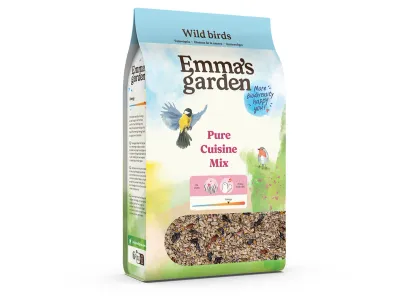
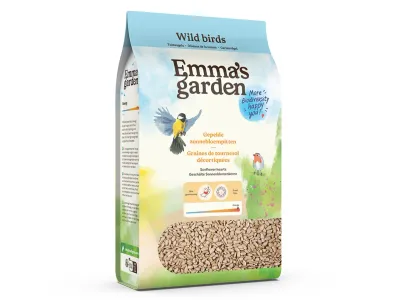
At Bopets you will find quality garden bird food from Emma's Garden and Vadigran, tested ambrosia-free and composed for optimal nutrition. From scatter feed with sunflower seeds and hulled oats to fat balls for cold winter months, peanut nets for tits and nuthatches, and nutritious bird seed as a base mix. Use mealworms as protein-rich power food during breeding season and switch to energy-rich winter food in autumn. The right food attracts more bird species and helps garden birds through the seasons. Read our buying guide →

0 products
Max. €30

Why feed garden birds?

Wild garden birds need extra support all year round, not just in winter. With quality garden bird food you help tits, sparrows, blackbirds and robins stay healthy through the seasons.

  • Biodiversity: varied food attracts more species, from great tits and blue tits to nuthatches and greenfinches.
  • Breeding success: parents find food for their young more quickly when a reliable food source is nearby.
  • Survival: in harsh winters up to 50% of small songbirds die from food shortage, supplementary feeding makes a real difference.
  • Garden enjoyment: nothing beats a lively garden full of birds with your morning coffee.

Types of garden bird food

The range of food for garden birds is wide. Here are the main categories:

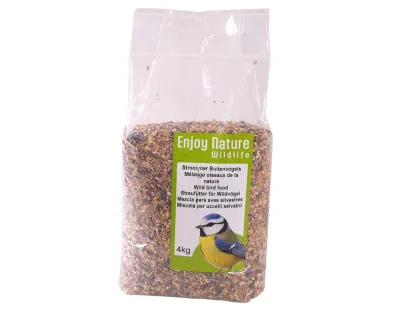
  • Seed mixes & scatter feed: the foundation. A good mix contains sunflower seeds, hulled oats, cracked maize and linseed. Attracts tits, sparrows, finches and greenfinches.
  • Peanuts & peanut nets: high in fat and energy. Ideal for nuthatches, woodpeckers and great tits. Always choose unsalted peanuts.
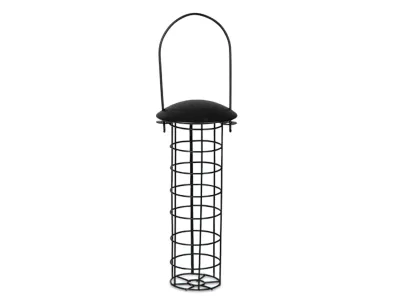
  • Fat balls & suet blocks: compact energy bombs for winter. Hang them on a branch or in a special bird feeder. Do not use in warm weather as they melt and can damage plumage.
  • Dried mealworms & insects: protein-rich power food, especially popular with robins and wrens. Combine with an insect hotel for live food.

Matching food to the season

The right garden bird food varies by season:

  • Winter (November-March): fat balls, peanuts and energy-rich seed mixes. Top up daily as food runs out quickly. Also provide ice-free drinking water.
  • Spring & summer (April-August): light scatter feed and hulled seeds. No fat balls (they melt above 20 °C). Mealworms are welcome for parents feeding young.
  • Autumn (September-October): gradually increase the offering. Garden birds start building fat reserves for winter.

Combining feeders and nest boxes

Garden bird food works best with the right accessories. A bird feeder protects food from rain and keeps it clean. Hang a nest box at a safe height (2-4 m) with the opening out of the wind, and garden birds will not only eat but also breed.

Do not place food too close to the nest box to prevent parent birds from revealing the nest to predators. An insect hotel in a sunny spot completes the picture: more insects means more natural food.

Discover the garden bird food range

At Bopets you will find garden bird food from Emma's Garden and Vadigran, ambrosia-free, carefully composed and quickly delivered. Browse all garden bird food and enjoy free delivery from € 70 in Belgium. Or discover our indoor bird food as well.

Frequently asked questions garden bird food

When should I start feeding garden birds?
Year-round feeding is increasingly recommended. In autumn and winter, food is scarce. In spring, parents need extra energy for breeding. In summer, fledglings benefit from easily accessible food.
What is the best food for garden birds?
Sunflower seeds, peanuts (unsalted, unroasted), suet balls and seed mixes attract the widest variety. Offer different foods at different heights to cater to various species.
Can bread be fed to garden birds?
Bread has little nutritional value and fills birds up without providing essential nutrients. In small amounts, wholemeal bread is acceptable, but seeds, suet and peanuts are far better.
How do I prevent rats at the bird feeder?
Use no-waste seed mixes that reduce spillage. Place feeders on poles with baffles. Clean up fallen seeds regularly. Bring feeders in at night when rats are most active.
Which feeder is best for my garden?
A tube feeder for seeds, a peanut feeder with mesh, and a suet feeder cover the basics. Add a ground tray for robins and blackbirds. Place feeders at different heights.
Is it safe to feed birds in summer?
Yes, but avoid suet balls in hot weather (they melt). Focus on seeds and fresh water. Clean feeders more often in warm weather to prevent bacterial growth.